All You Required to Find Out About Robotic Vision and Its Applications in Advanced Optical Dimension Systems
Robotic vision represents a substantial advancement in the intersection of computer vision, expert system, and artificial intelligence. This innovation improves the precision of optical measurement systems, allowing real-time data evaluation and improved top quality control. Its impact extends multiple sectors, from producing to medical care. The progressing landscape of robotic vision raises questions concerning future capacities and applications. What technologies lie in advance in this transformative field?
Recognizing Robotic Vision: Secret Concepts and Technologies
Robotic vision includes the technologies and methodologies that allow devices to interpret and understand visual information from their setting. This area integrates aspects of computer vision, synthetic intelligence, and device learning to promote computerized decision-making based upon aesthetic information. Trick concepts include image handling, which includes the enhancement and evaluation of images to extract significant functions, and things recognition, which enables devices to identify and categorize objects within a scene.
The Assimilation of Robotic Vision With Optical Measurement Systems
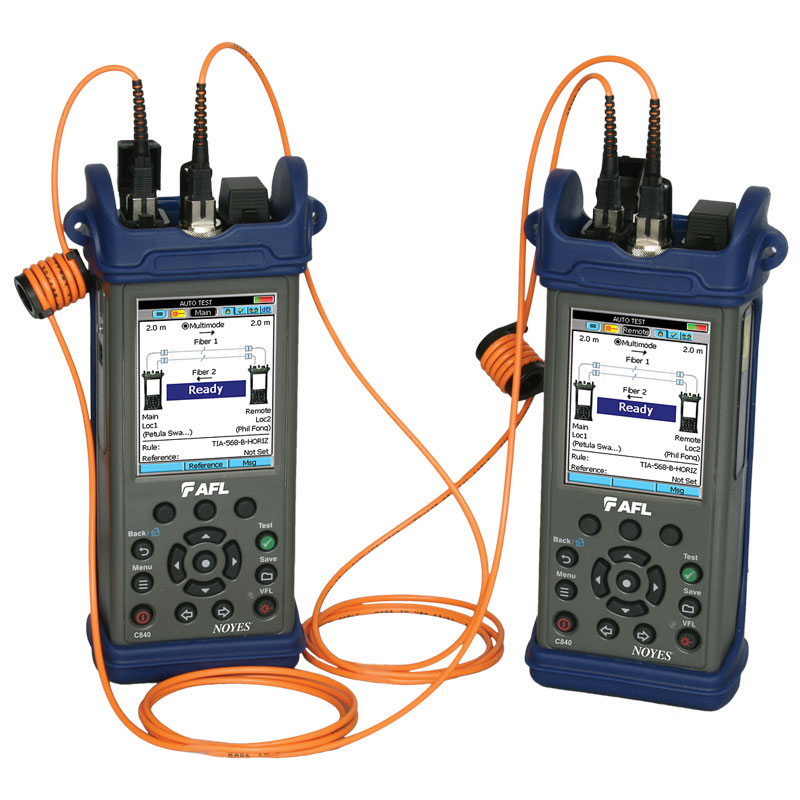
As sectors significantly demand accuracy and efficiency, the assimilation of robot vision with optical measurement systems has arised as a transformative technique. This harmony enables robotics to regard and translate their surroundings, improving the ability of optical measurement systems to evaluate and copyrightine items with unequaled accuracy. By equipping optical sensing units with advanced imaging modern technologies, robotic vision allows real-time data collection and processing, assisting in prompt modifications to measurement criteria.
In addition, the combination empowers automated systems to spot variants in measurements, surface top quality, and alignment, which are critical in quality assurance processes. Boosted formulas, such as artificial intelligence, further boost this combination by improving the systems' capacity to adapt to various environments and scenarios. Consequently, the combination not just improves measurement procedures but additionally lessens errors, making sure that items satisfy rigid industry criteria, thereby solidifying the function of robotic vision in the future of optical dimension systems.
Applications of Robotic Vision in Manufacturing
In modern manufacturing atmospheres, making use of vision systems has actually reinvented manufacturing processes by enabling machines to do tasks with amazing accuracy and speed. Robotic vision systems are significantly utilized for quality assurance, where they inspect items for flaws and warranty adherence to specs. These systems use video cameras and progressed formulas to analyze products in real-time, substantially minimizing the danger of human error.
In addition, robotic vision assists in automation in assembly lines, enabling robots to precisely identify components and construct them with very little downtime. This modern technology likewise boosts supply administration, as vision systems can keep track of stock levels and detect disparities, guaranteeing a seamless supply chain.
Additionally, robot vision help in the implementation of smart factories, where data from vision systems can be incorporated with other modern technologies to enhance process. On the whole, the applications of robot vision in manufacturing show its vital role in boosting effectiveness, high quality, and performance throughout different markets
Robotic Vision in Medical Care: Revolutionizing Patient Treatment
In rehabilitation, robot vision aids in monitoring individual progression and tailoring therapy sessions to private needs. It supports clinical professionals by automating jobs such as data collection and individual surveillance, enabling even more time to concentrate on straight individual communication. Additionally, robot vision enhances telemedicine by making it possible for remote diagnosis and virtual copyrightinations, bridging the gap between clients and health care suppliers. Overall, the application of robotic vision in healthcare is reinventing patient care, resulting in improved results, efficiency, and client contentment.
Future Patterns and Growths in Robotic Vision Technology
The rapid advancement of robot vision technology guarantees to better enhance its applications throughout different sectors, consisting of healthcare. Future patterns suggest a substantial shift in the direction of integrating artificial intelligence and artificial intelligence, making it possible for systems to pick up from learn the facts here now huge datasets and enhance accuracy in time. Boosted sensing unit technologies and deep knowing formulas are anticipated to refine item recognition abilities, allowing robots to analyze complex environments much more effectively.

Furthermore, the combination of increased fact (AR) with robot vision will likely transform exactly how robotics assist in medical procedures and diagnostics. This synergy will certainly promote real-time data visualization, enhancing decision-making processes. Additionally, miniaturization of elements will bring about more compact and functional robotic vision systems ideal for a range of jobs. As these developments unravel, industries will witness increased automation and efficiency, solidifying robot vision as a foundation of cutting-edge technological services.
Often Asked Concerns
What Are the Main Parts of a Robotic Vision System?
The primary components of a robot vision system consist of electronic cameras for picture capture, cpus for information evaluation, formulas for analysis, and actuators for movement. browse this site Together, these aspects make it possible for robotics to perceive and interact with their atmosphere effectively.
Exactly How Does Robotic Vision Improve Precision in Measurements?
Robotic vision improves measurement accuracy by making use of advanced imaging modern technologies, making it possible for specific object discovery and spatial evaluation. This ability reduces human error, increases repeatability, and enables real-time modifications, ultimately enhancing total measurement dependability and effectiveness.
What Industries Advantage Most From Robotic Vision Technology?
Various sectors benefit considerably from robot vision innovation, consisting of production, medical care, agriculture, and logistics. These sectors make use of improved accuracy, performance, and automation, leading to boosted performance and reduced operational expenses in their respective procedures.
Can Robotic Vision Equipments Operate In Low-Light Issues?
Robotic vision systems can indeed work in low-light problems, making use of innovative sensing units and algorithms to boost image clarity. This capacity permits them to execute efficiently in different atmospheres, including commercial and monitoring applications, despite having very little illumination.
What Are the Prices Connected With Executing Robotic Vision?
The costs related to content applying robot vision vary considerably, influenced by parts such as cameras, software application, and integration. Extra costs consist of maintenance, training workers, and prospective upgrades to existing systems, which can gather over time.